10. 4. 2025 - 9. 11. 2025
Visiting information

Baroque is an art style that emerged in early 17th-century Rome before
spreading across Europe, profoundly shaping
the artistic image of present-day Slovenia too. The term originates from the
Portuguese word “barocco”, meaning a pearl with an irregular shape.
Initially, it carried a negative connotation, describing anything twisted,
overloaded or unusual. Both in Italy and elsewhere in Europe, the artistic
expressions of the 17th and 18th centuries are highly diverse, but some shared
characteristics include luxury, dynamism,
dramatic contrasts between light and shadow, and a pronounced emotional charge.
The territory of present-day Republic of Slovenia was then divided into
the Habsburg and Venetian domains. The larger portion, which fell within the Habsburg
hereditary lands of Carniola, Styria, Carinthia, and Gorizia, belonged to Inner
Austria that was part of the Holy Roman Empire. Today’s Prekmurje region lay
outside the empire, but as part of the Kingdom of Hungary was a Habsburg
territory nevertheless, closely related to adjoining Styria. On the other hand,
Istrian coastal towns belonged to the Republic of Venice and hence were part of
the Venetian art context. A strong influence of Venetian artists and their
occasional presence can also be observed in the Gorizia region, as it bordered
the Venetian region of Friuli.
The last major exhibitions on this
period – Barok
v Sloveniji (Baroque in Slovenia)
and Umetnost XVII. stoletja na
Slovenskem (Seventeenth-Century Art in the Slovene Lands) – were organized in the National
Gallery of Slovenia more than half a
century ago. Proceeding from later research, we are now able to offer the
public a much more profound insight, also different in many ways, into 17th- and
18th-century art. It was a period when social, political and economic
circumstances enabled a true golden age for arts, thanks to both ambitious patrons and artists,
whether the local ones or those who immigrated from the broader space of Central Europe and the Italian peninsula.
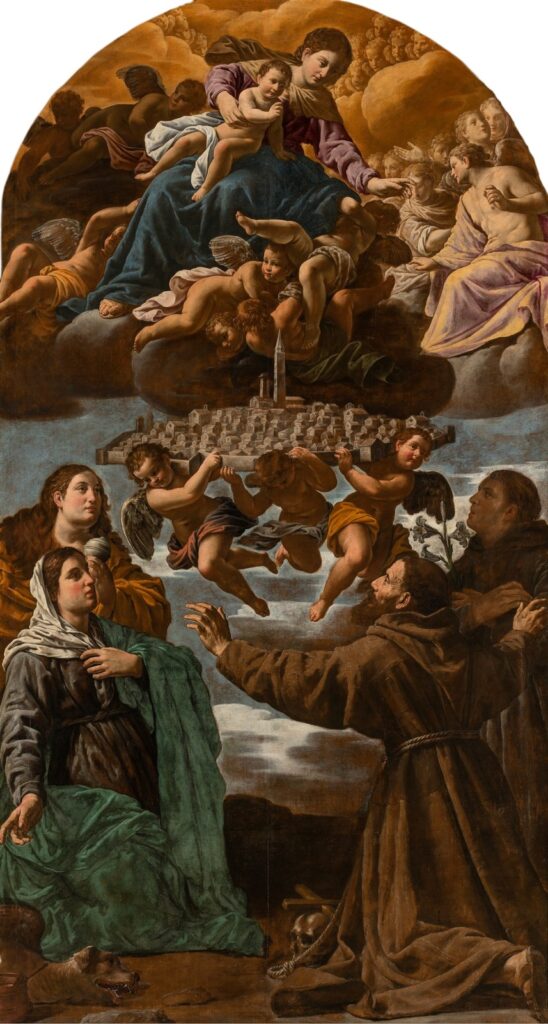
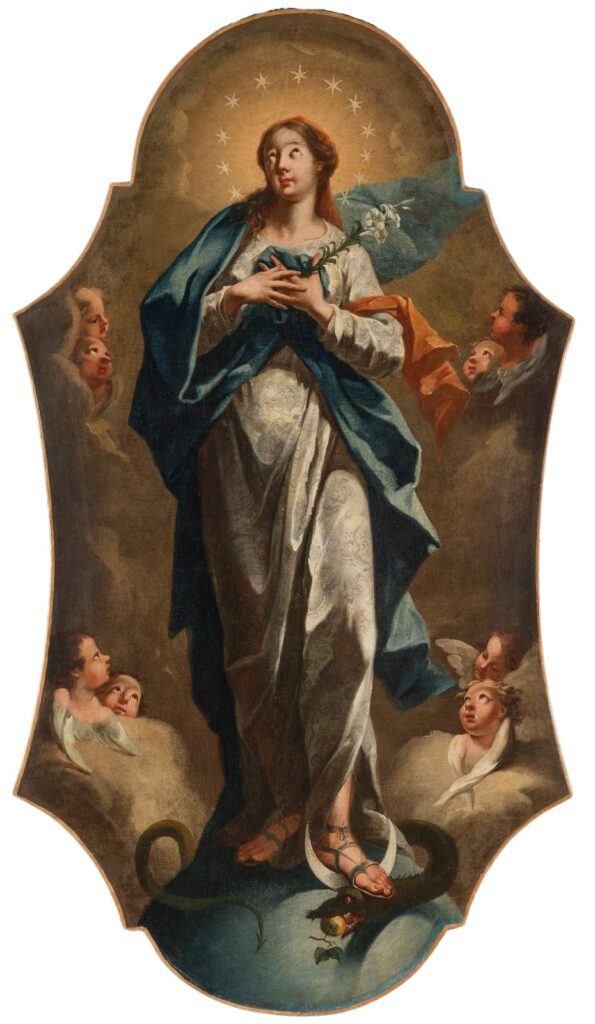
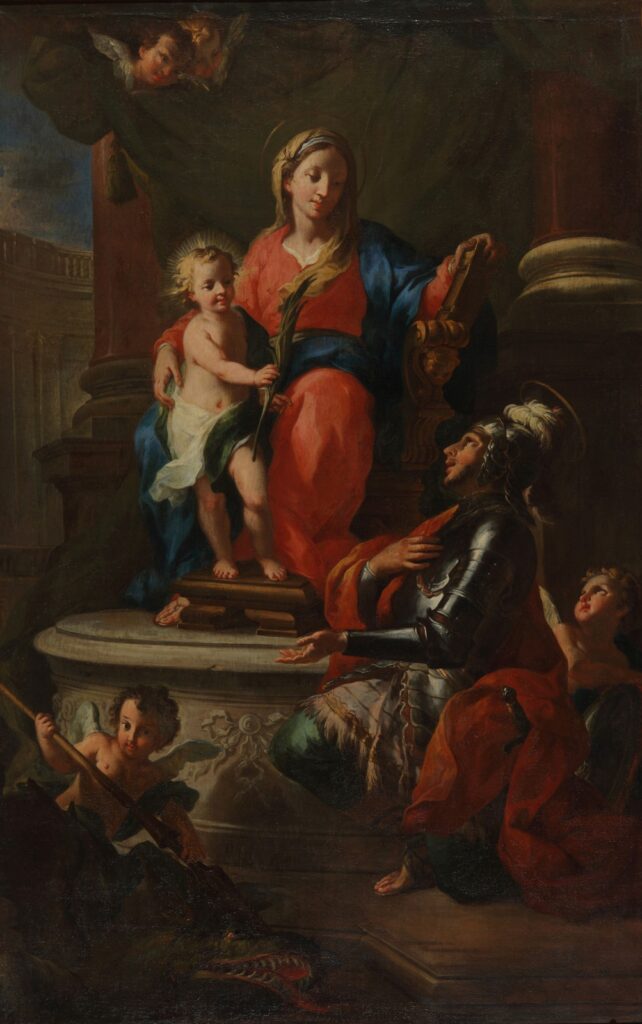
The exhibition showcases over 170
carefully selected artworks created on or for the territory of present-day
Slovenia during the 17th and 18th centuries. This period marked a significant
artistic revival, filling the void left after the Middle Ages. Displayed on the
first floor of the Narodni dom Palace (National Hall), the representative works
provide an overview of painting and sculpture from the era of Re-Catholicization,
when artworks still demonstrated the late-Renaissance and Mannerist styles, to
the waning of the Baroque era, foreshadowing the emergence of Neoclassicism.
The selected artworks are further enriched by prints and items of applied arts,
adding depth to their exploration.
The exhibition delves into the Baroque artist’s working methods and showcases the highlights of ecclesiastical art, characterized by
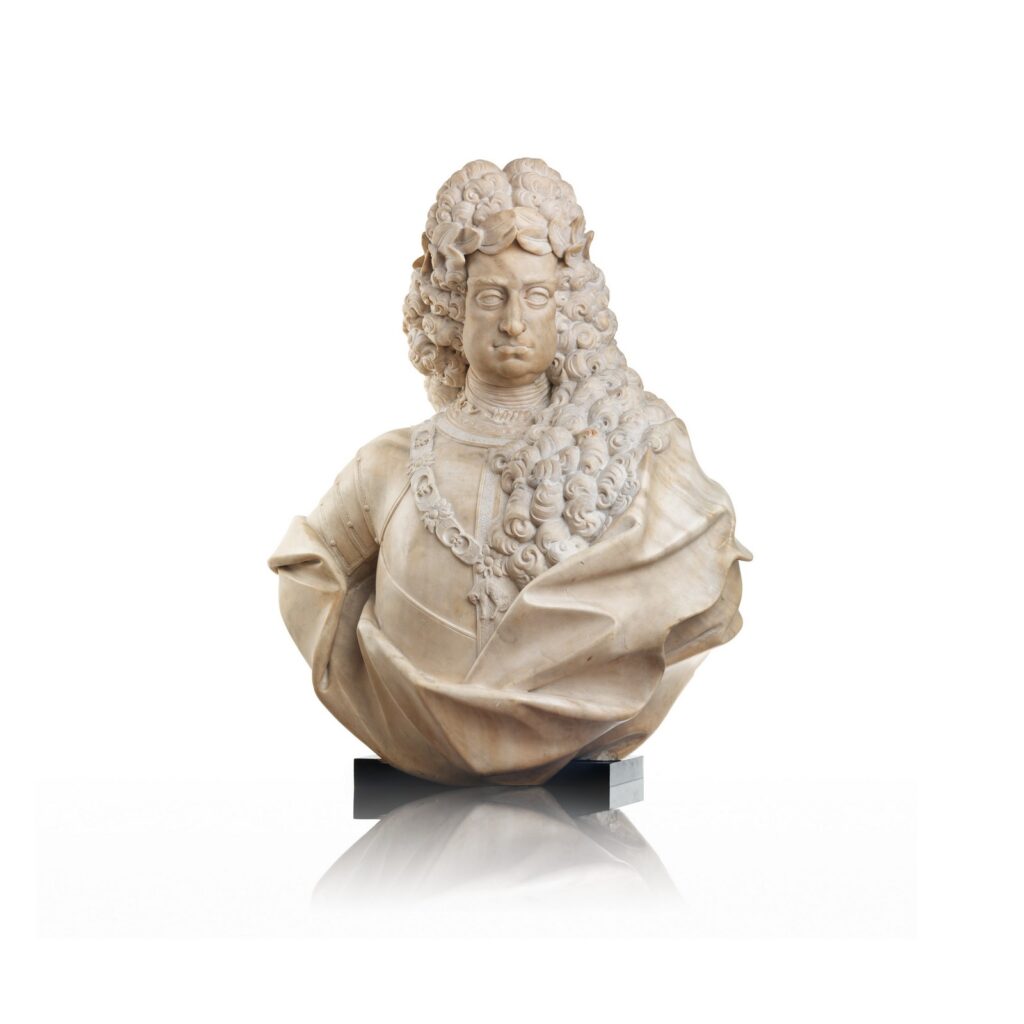
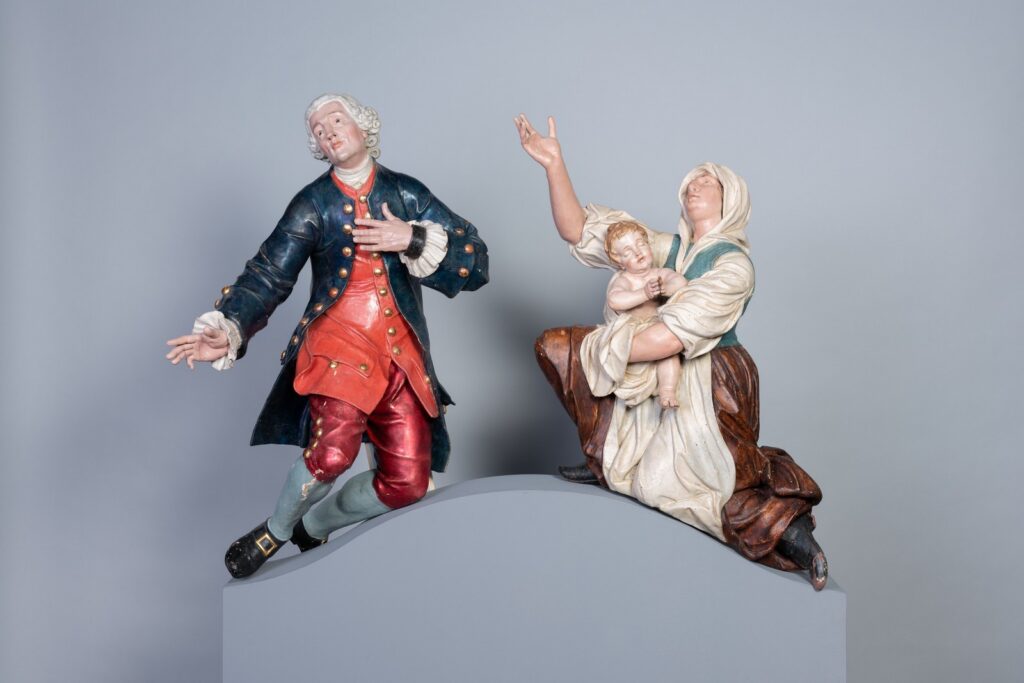
monumental altarpieces and marble or richly polychrome wooden statues. It also
features artworks that once adorned provincial, municipal and private secular
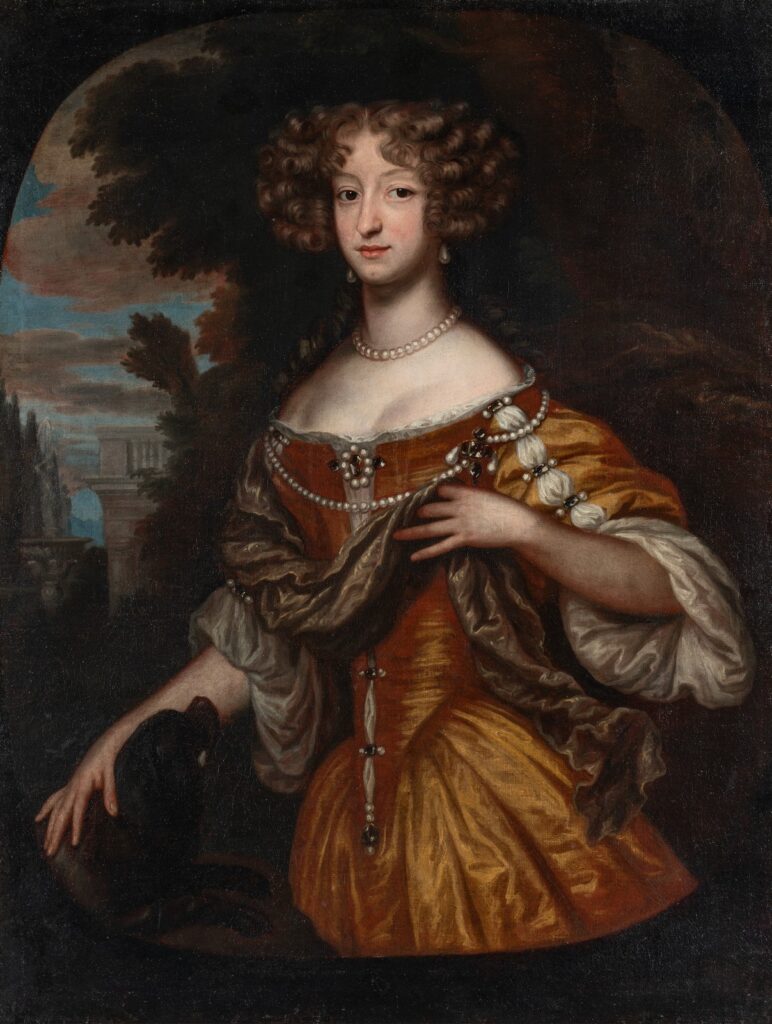
buildings. This era was also distinguished by representative portraits of
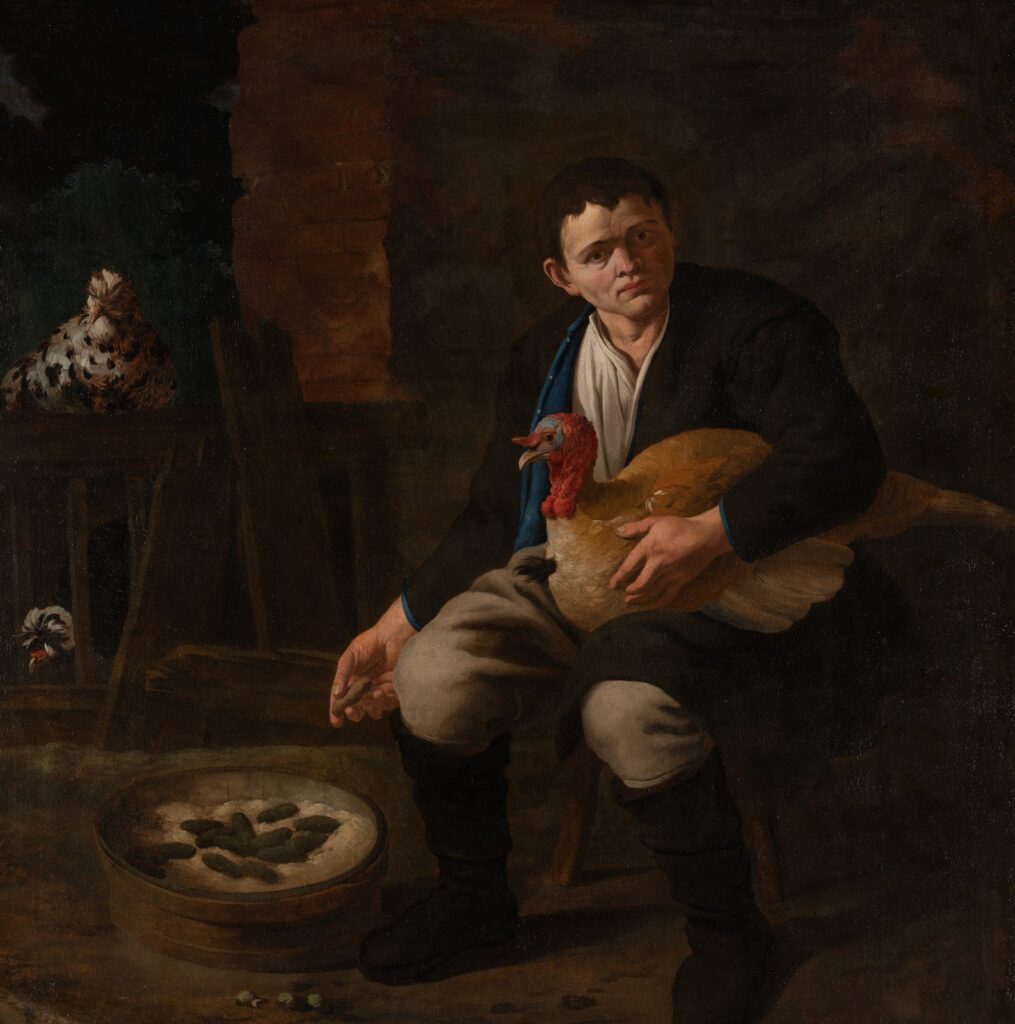
royalty and aristocracy, which, along with ancestor galleries, genre scenes,
still lifes, landscapes and history paintings, formed essential components of
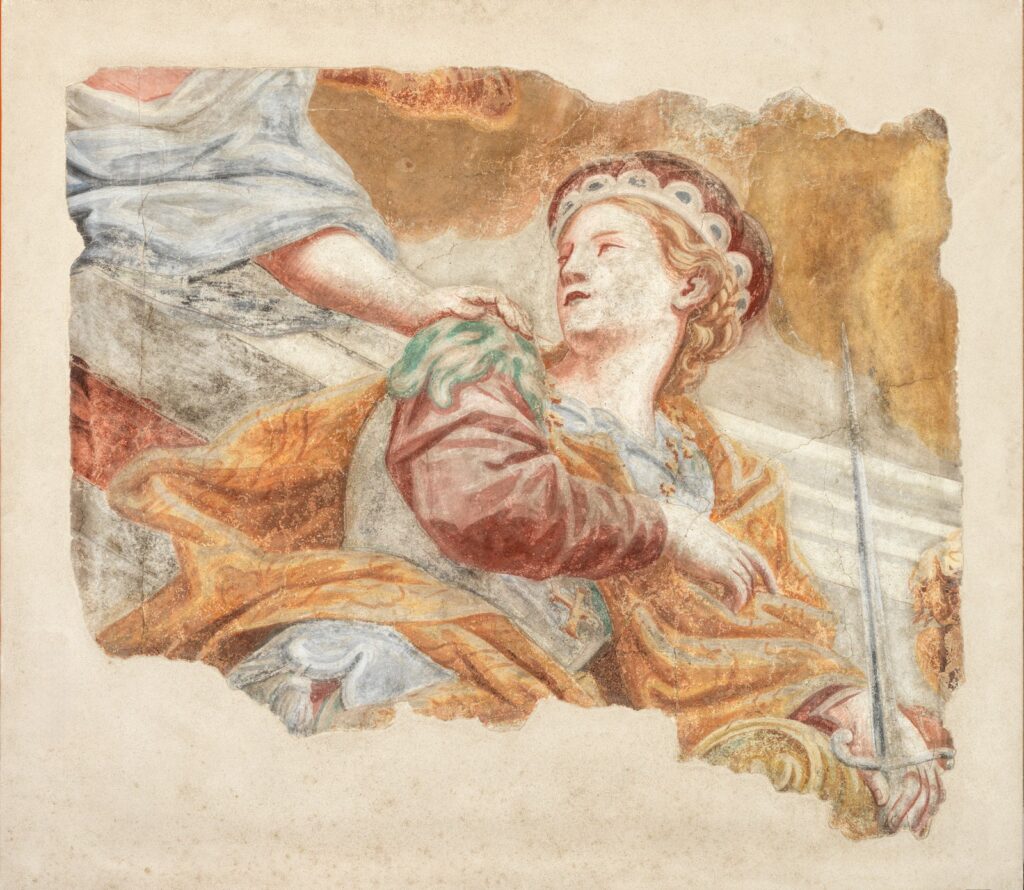
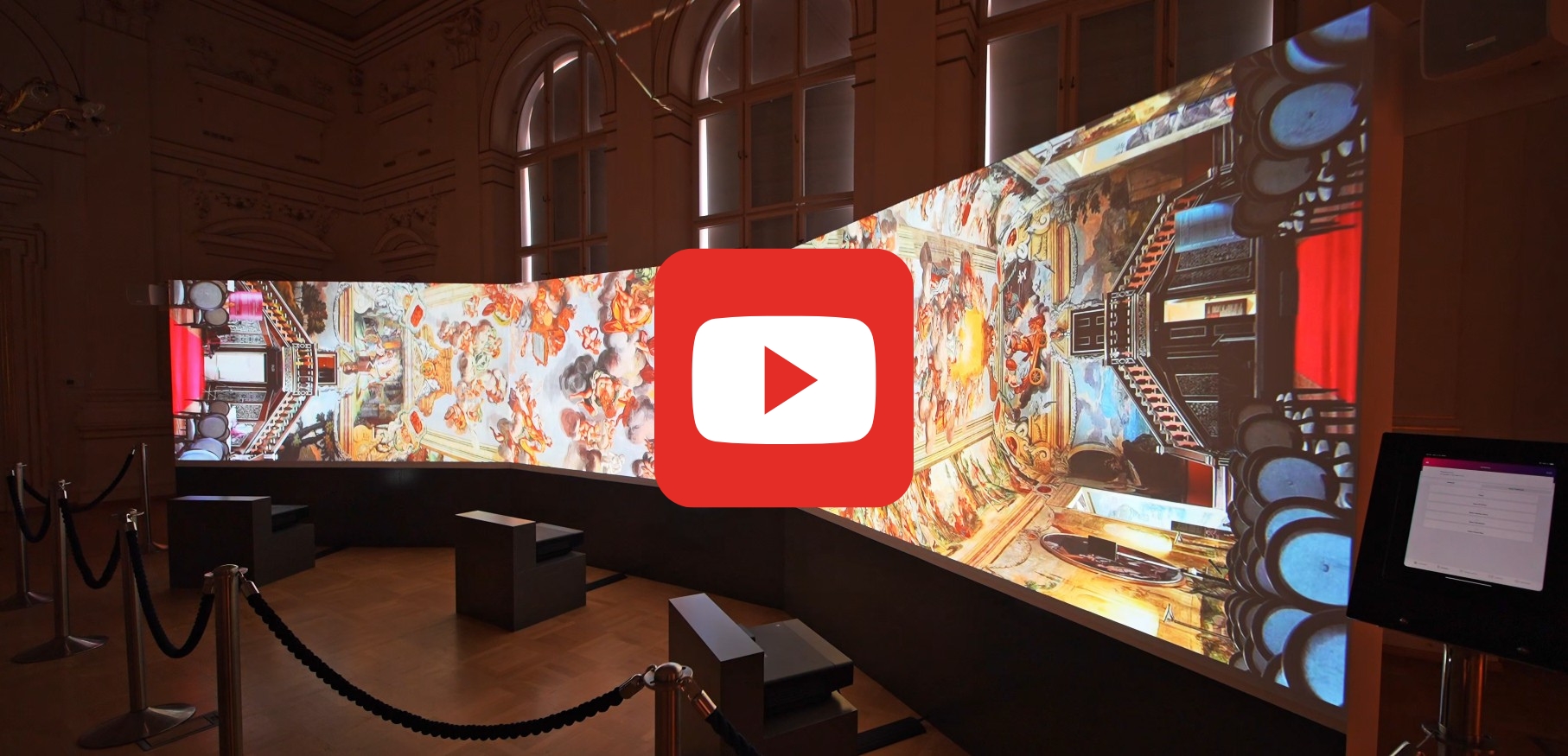
Baroque collections. Ceiling and wall Baroque paintings are represented through selected surviving fresco
fragments, enlarged photographs, and a multimedia projection of painting
decorations in both ecclesiastical and secular spaces. However, important Baroque monuments in
Ljubljana remain at their original locations, so, for a comprehensive
understanding of the period, it is advisable to visit them in situ.
The exhibits are works by renowned
masters, who were active in the nearby art centres or gained recognition
locally. Coming from the Italian area are Giulio Quaglio of Lombardy, Venetian
Francesco Fontebasso and the Koper/Capodistria-born Roman painter Francesco
Trevisani. Central Europe was the home of the Swabian sculptor Leonhard Kern,
the Vienna court painters Martino Altomonte and Martin van Meytens the Younger
as well as Johann Lucas Kracker and Kremser Schmidt. The image of local Baroque
was influenced in particular by the painters such as Franz Karl Remp, Franz
Ignaz Flurer, Valentin Metzinger, Franc Jelovšek, Fortunat Bergant, Anton
Cebej, Franc Mihael Strauss, and Anton Jožef Lerchinger, and by the sculptors
Joseph Straub, Veit Königer and Joseph Holzinger, in addition to the greatest,
Francesco Robba.
The exhibition was organised by
Kristina Preininger
Conservation-restoration preparation of materials
Saša Dolinšek, Vito Dolničar, Rok Dolničar, Monika Zobec, IPCHS Restoration centre
Ivan Jengić, Tonko Fabris, Mijo Jerković, Croatian Conservation Institute
Exhibition set-up and graphic design
Bojan Lazarevič, Agora Proars
Multimedia
Martin Avsenik, Matjaž Učakar, Ars Studio Avsenik
Texel d.o.o.
The works of art were loaned by
Škofja Loka Parish
The exhibition was supported by
10 April – 9
November 2025
National
Gallery of Slovenia
Cankarjeva
20
1000
Ljubljana