16. 11. 2021
Visiting information

The Birch and the Oak
Birch, O birch, with tresses fine,
Župančič’s poem, which gives the exhibition its title, addresses the contrast between the female and the male principles. Even in itself it suggests the conceptual duality of the heroic image in a lyrical poetic form and mood. This implies that the notion of the lyrical is something changeable. While the oppositional use of the epic and the lyrical may seem self-evident, it does not work when we wish to apply it in concrete cases, particularly over a span of several centuries. Aristotle based his Poetics on the notion of mimesis – the imitation of nature – and only included lyric poetry indirectly in his hierarchical list of the principal genres of epic poetry, tragedy and comedy. According to his theory, the lyric has a purely ornamental function. It is a kind of inessential addition in a tragedy, which also uses music and singing. When these notions are transferred to fine art, it is the historical painting that corresponds to epic poetry, while in past centuries lyricism was regarded as one of its inessential components or a characteristic of minor genres.
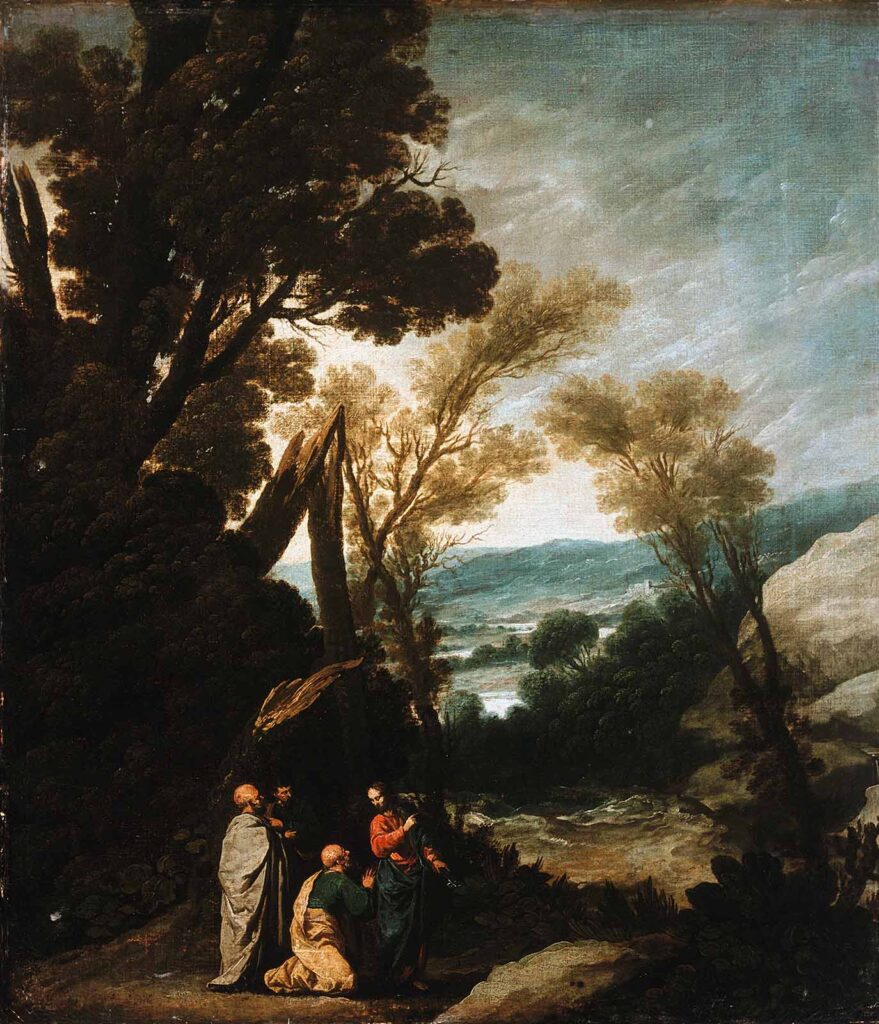
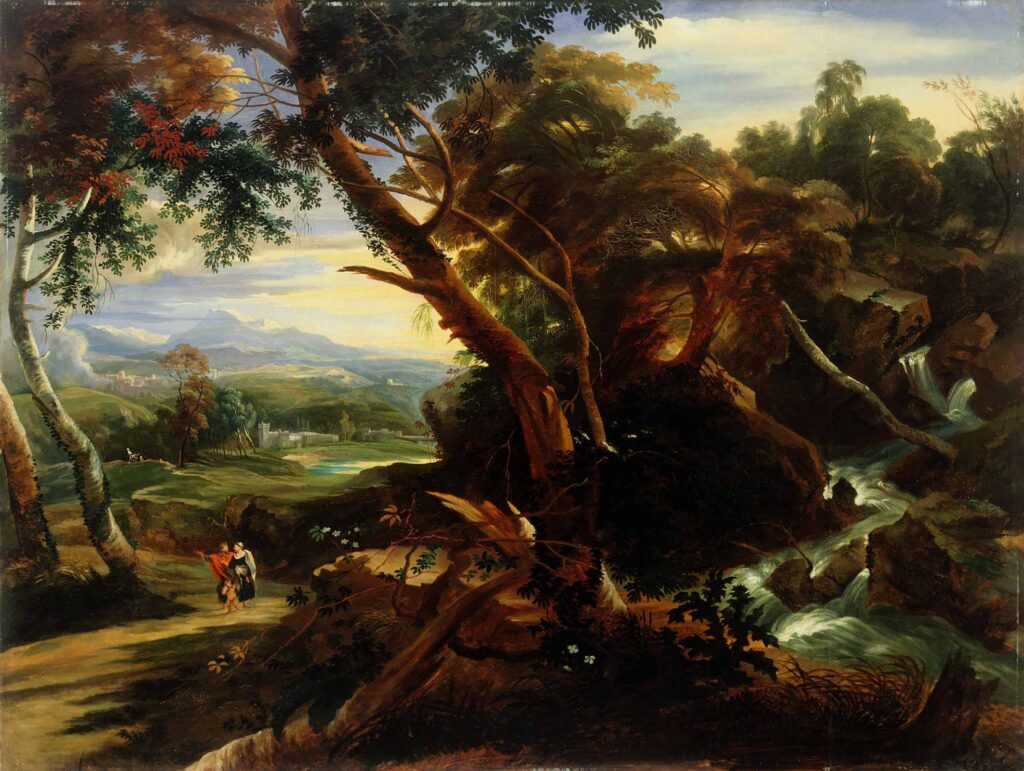
Within the antonymous pair heroic landscape–idyllic (or pastoral) landscape, the heroic landscape is, together with architecture, a setting for epic scenes – mythological and historical events – and accompanies depictions of actions, of action in progress. The pastoral landscape, on the other hand, is divorced from narrative content. The figures, animals and ruins in it are an integral part of a timeless, eternal and unchanging world and are, at the most, signifiers of the transience of Man and his works. Both landscapes are ideal, imaginary landscapes, but the essential difference between them is in their function and – consequently – the way they address us, which is adapted to their function. Jacob Pynas uses the landscape to dramatise the action in the foreground by using an intense palette, sharp light and contrasting shadows. The broken tree trunk is even a symbolic suggestion of a moment of crux – Christ’s farewell, in which he charges the first of his disciples to continue the work he has begun.
|
|
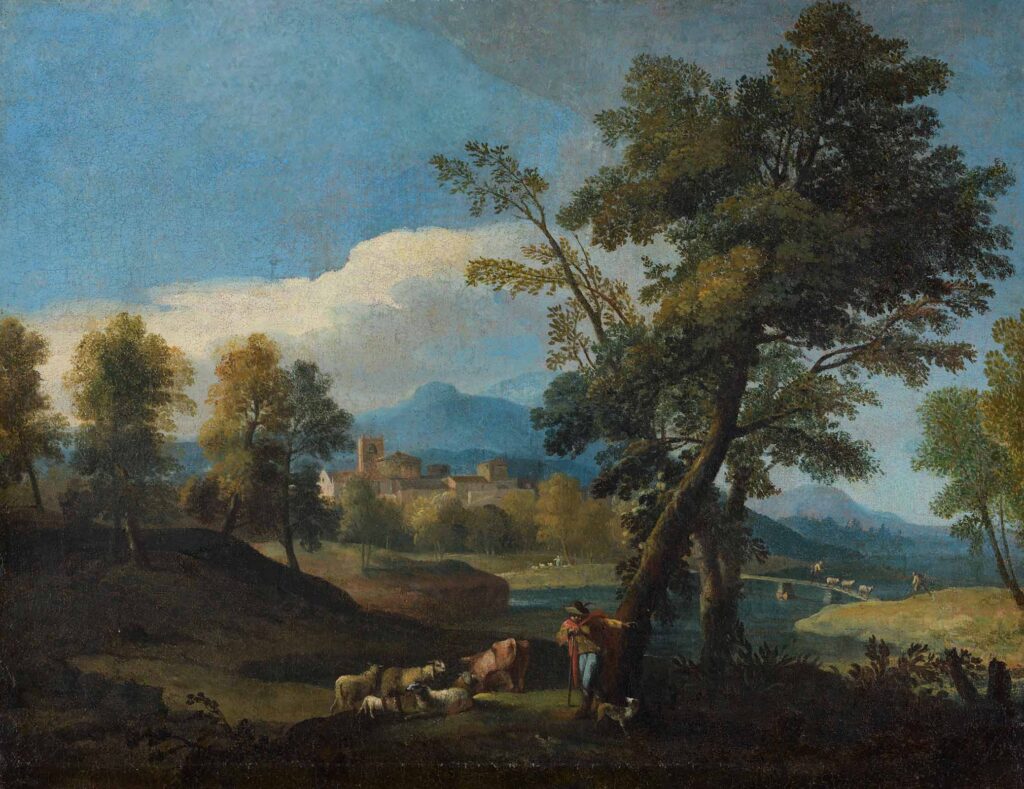
Pieter Mulier’s ideal landscape presents more of a challenge, simply because it is difficult to grasp the story, given that we are unable to identify the couple with a naked child in the middle ground of the painting, walking along a sunlit path that leads towards the left-hand edge of the picture. We are therefore left to an emotional experience of the depiction of the landscape, which is divided into the half that is closer to us, dramatically articulated with rocks, trees and the broken waterfalls of a foaming stream, and the left-hand half in which the view stretches into the distance, to the blue-tinged mountains on the horizon. A soft light illuminates the valley, in which a castle stands next to some trees beneath the hills, past which winds the path that the three enigmatic figures are following. Now the lyricism of the vanishing point that draws the eye into the distance and the dramatic character of the hillside with the torrential stream act in coordinated fashion in a suspension of the narrative, which reveals an Aristotelian understanding of the ornamental function of lyricism. |
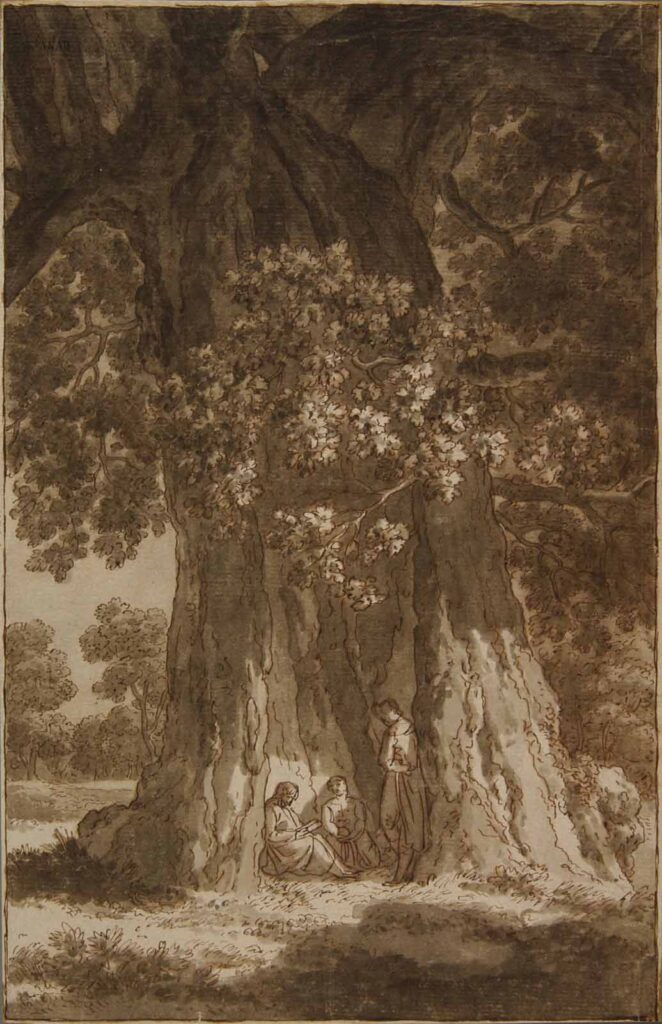
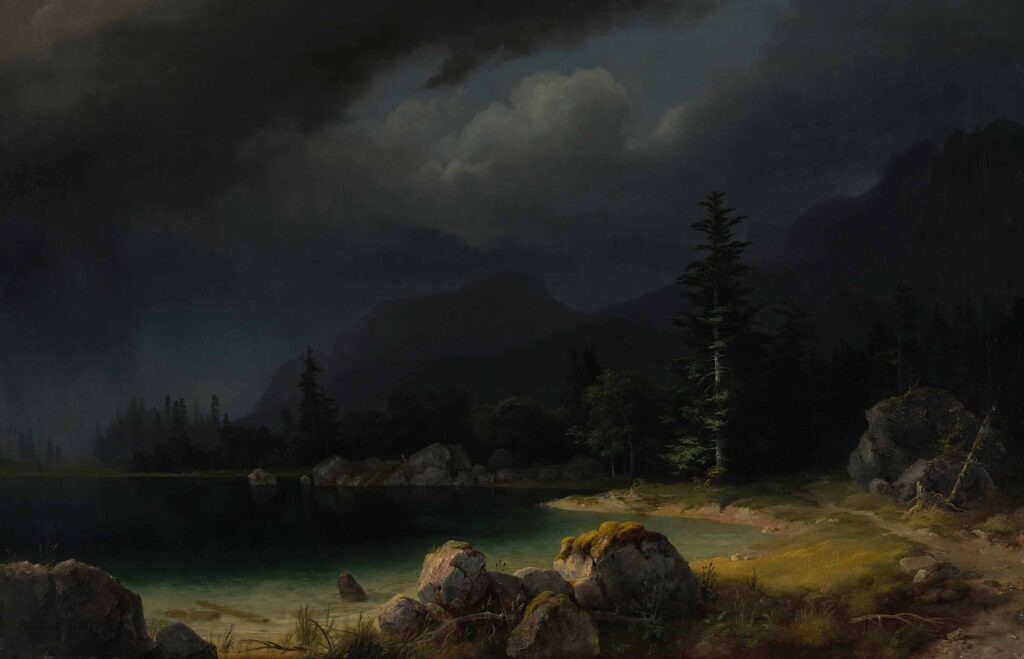
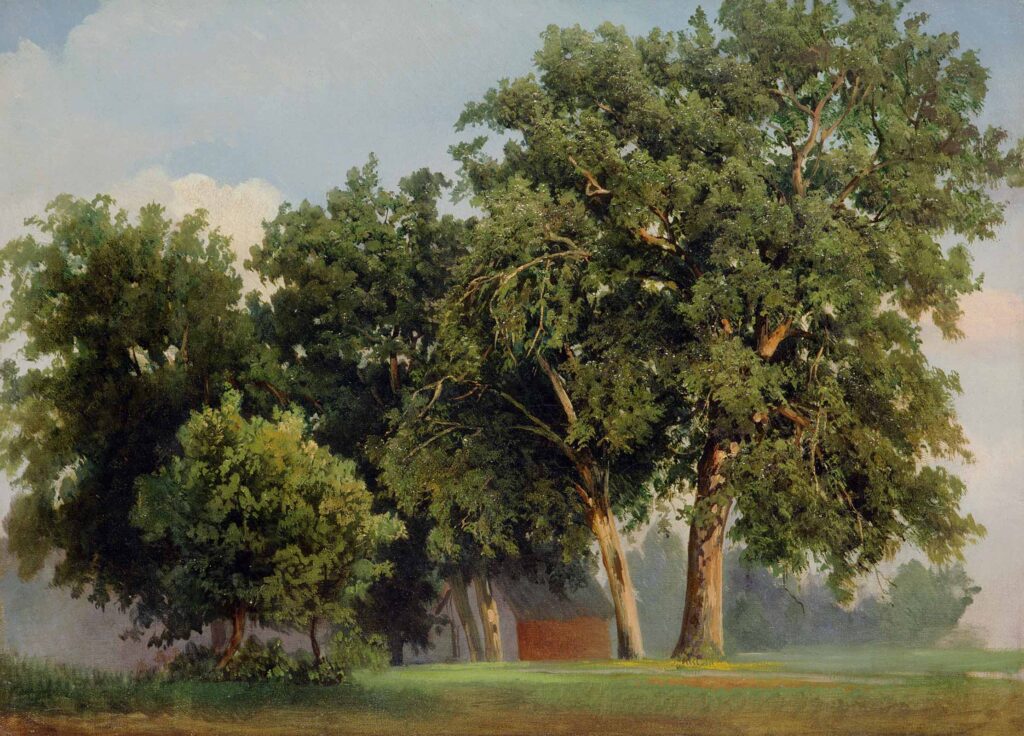
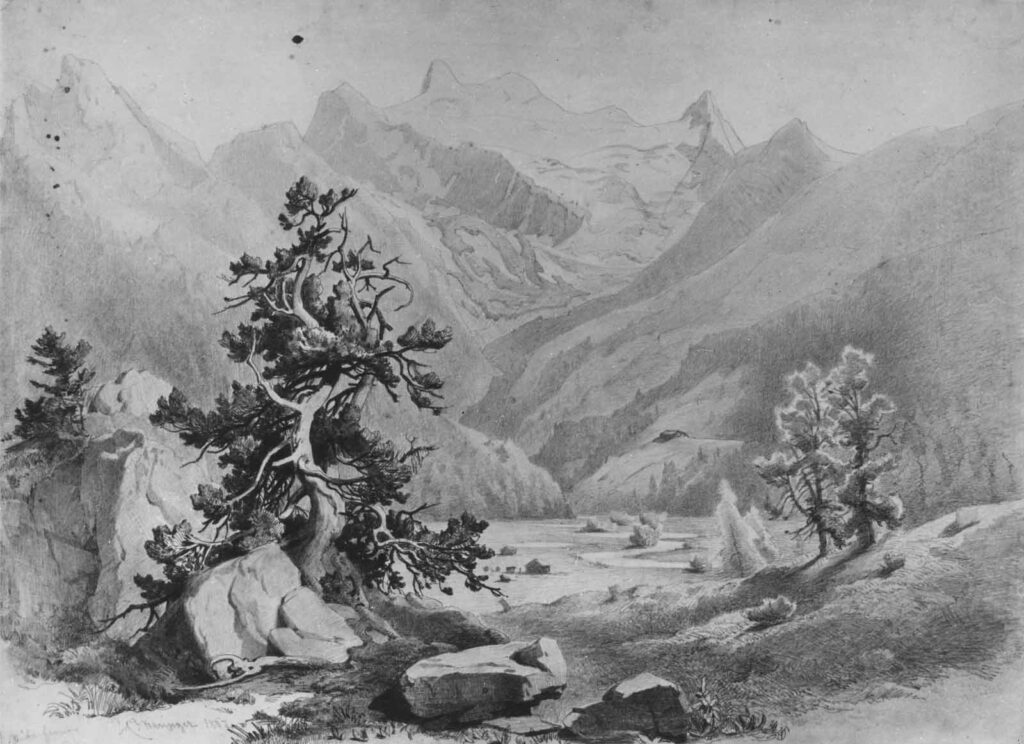
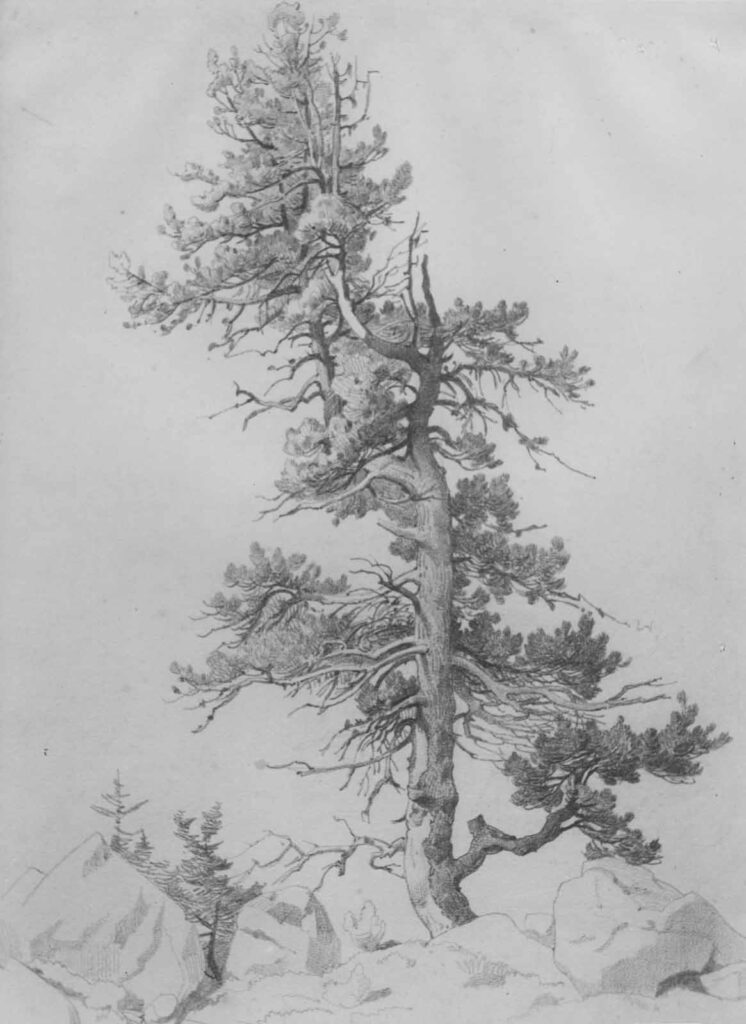
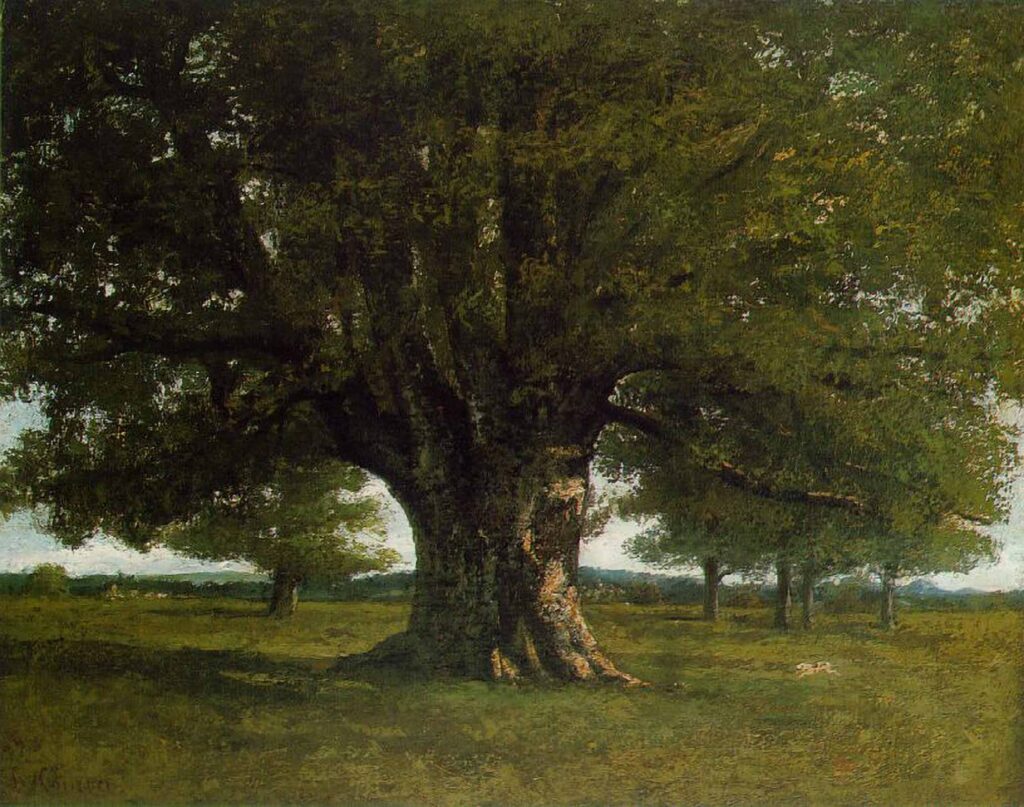
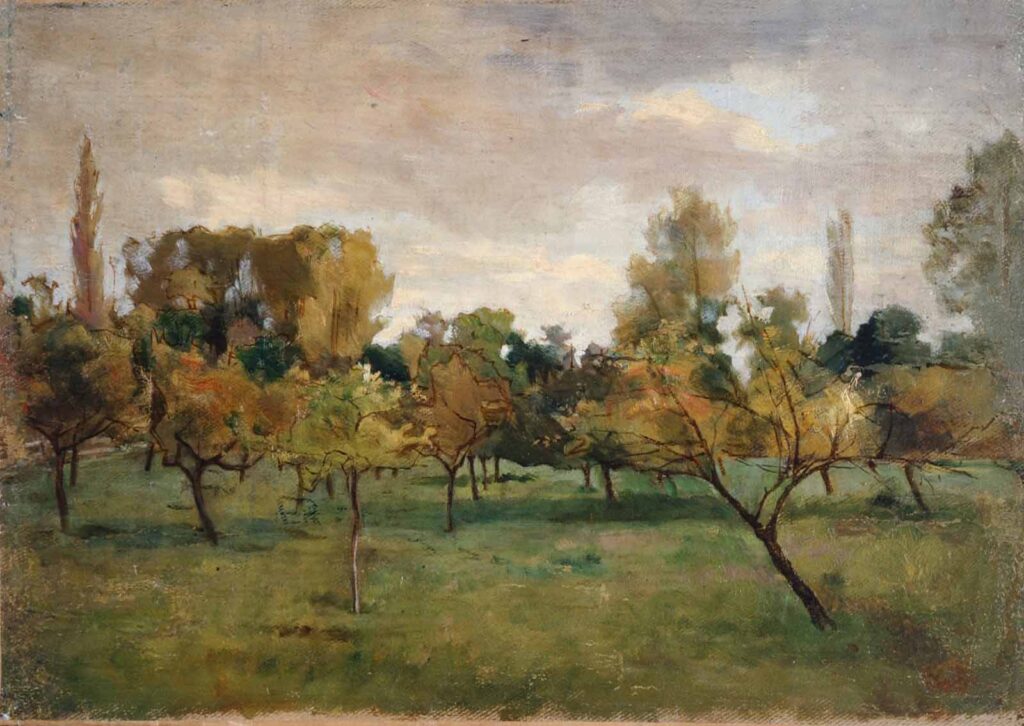
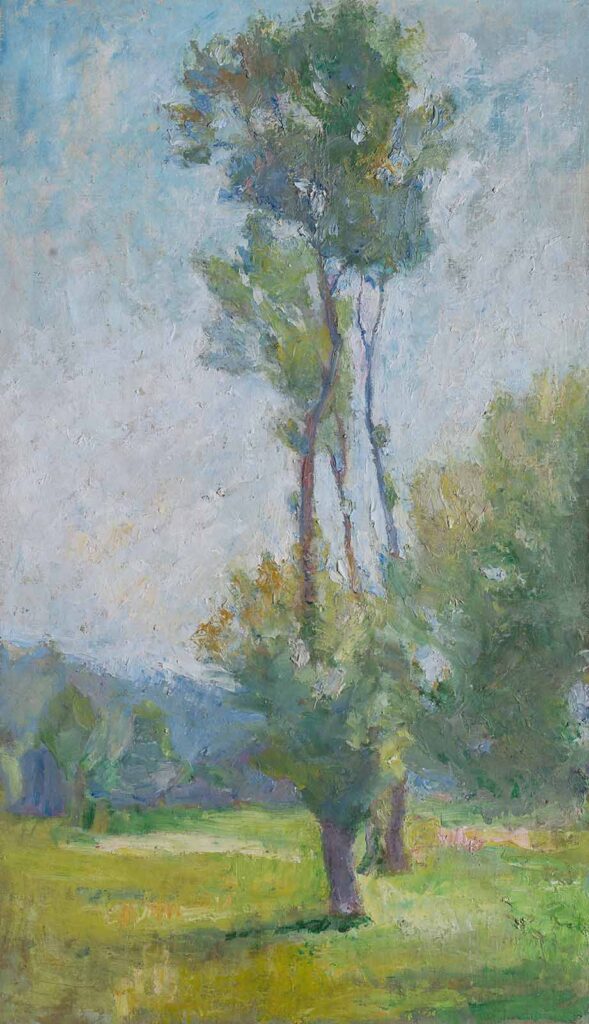
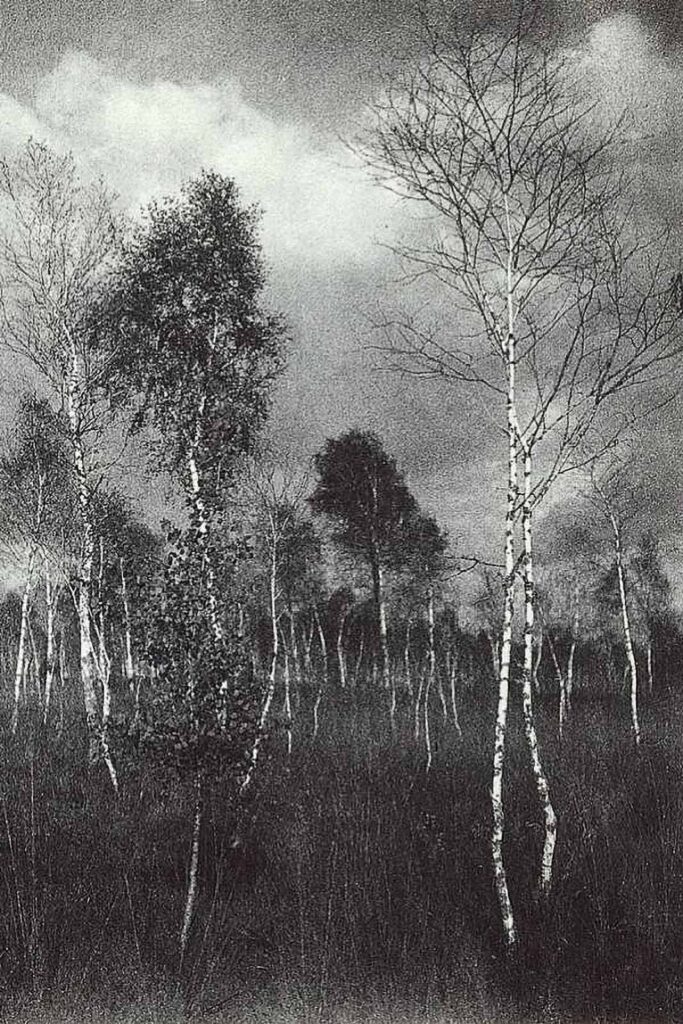
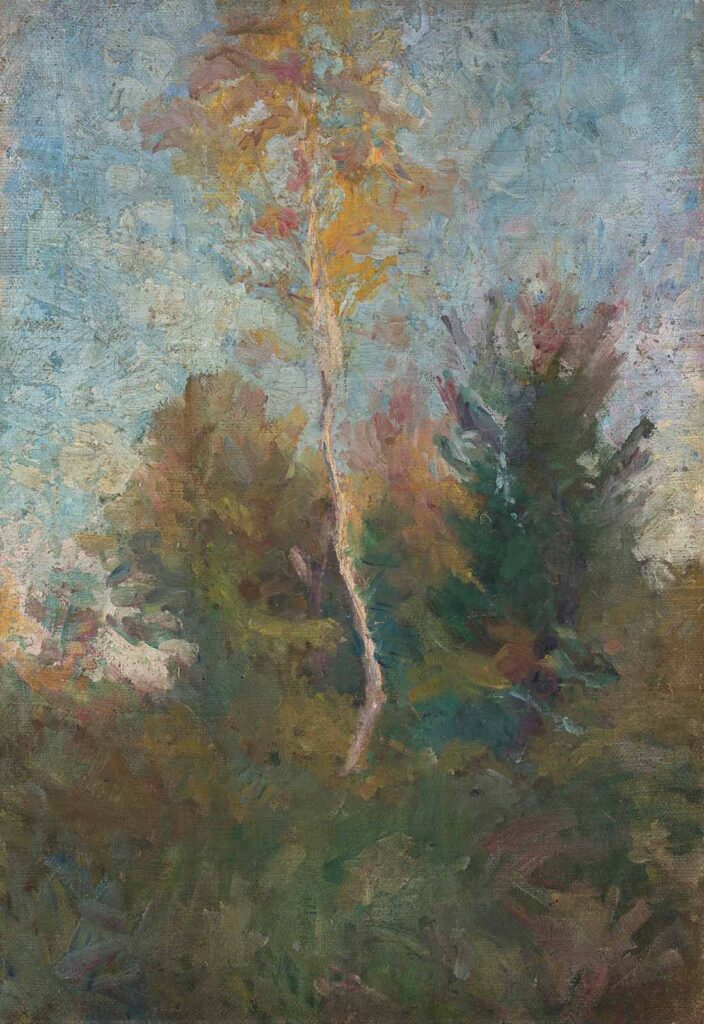
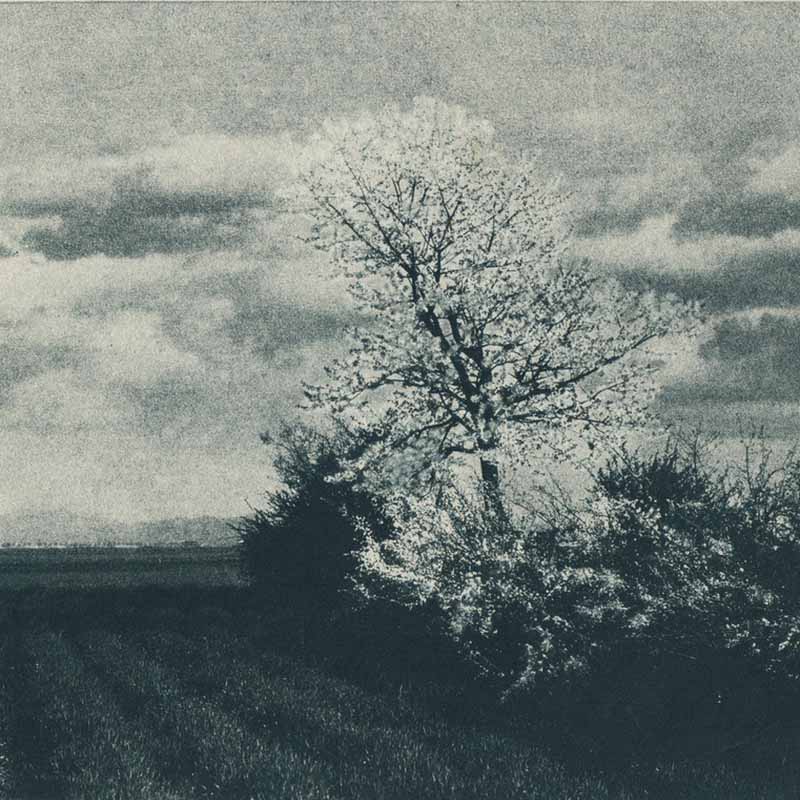
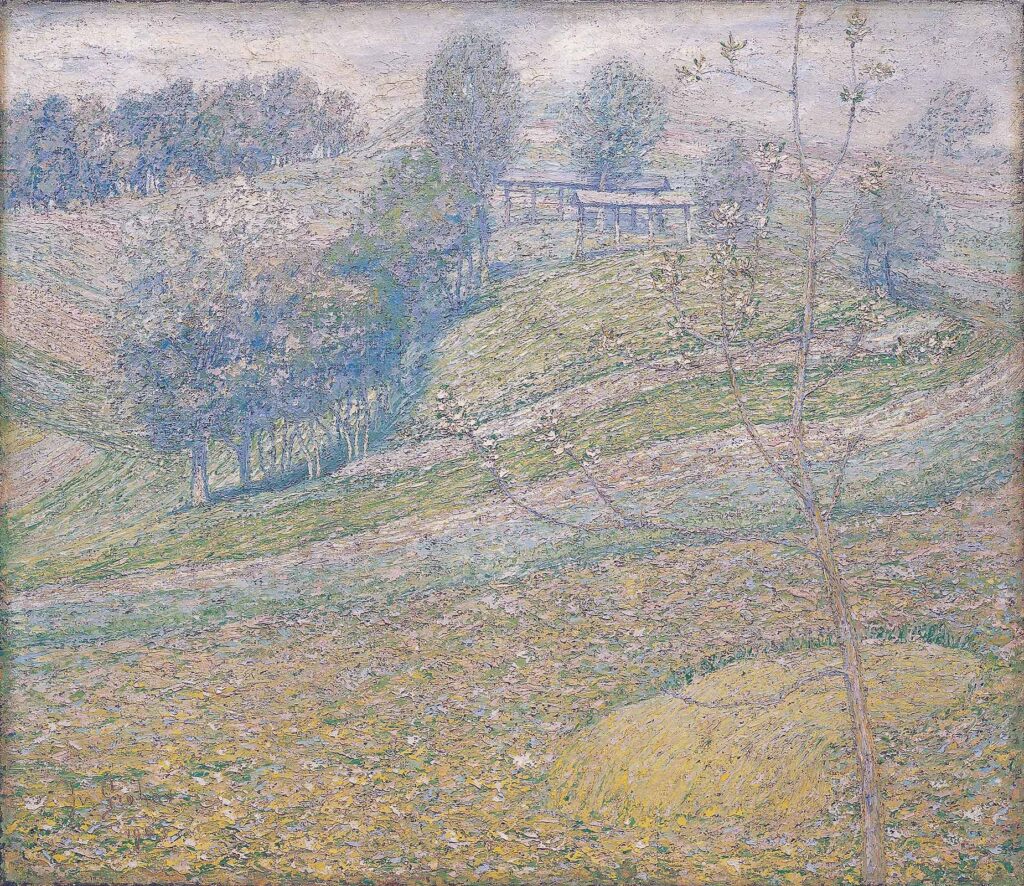
|
|
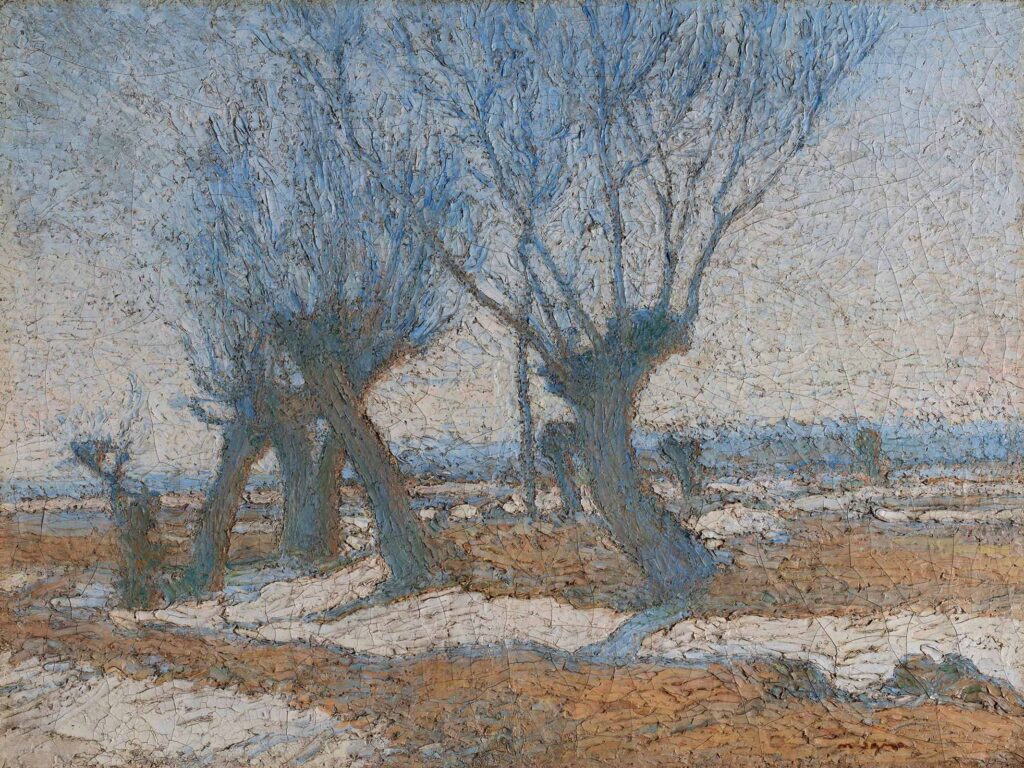
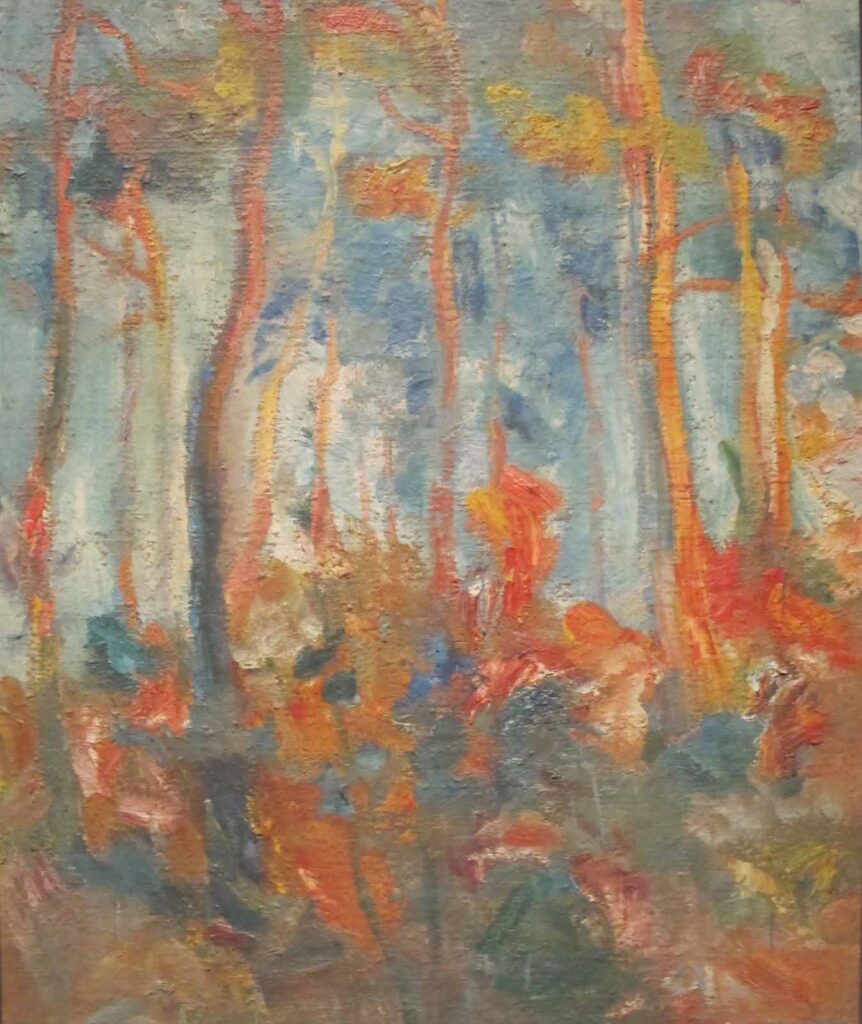
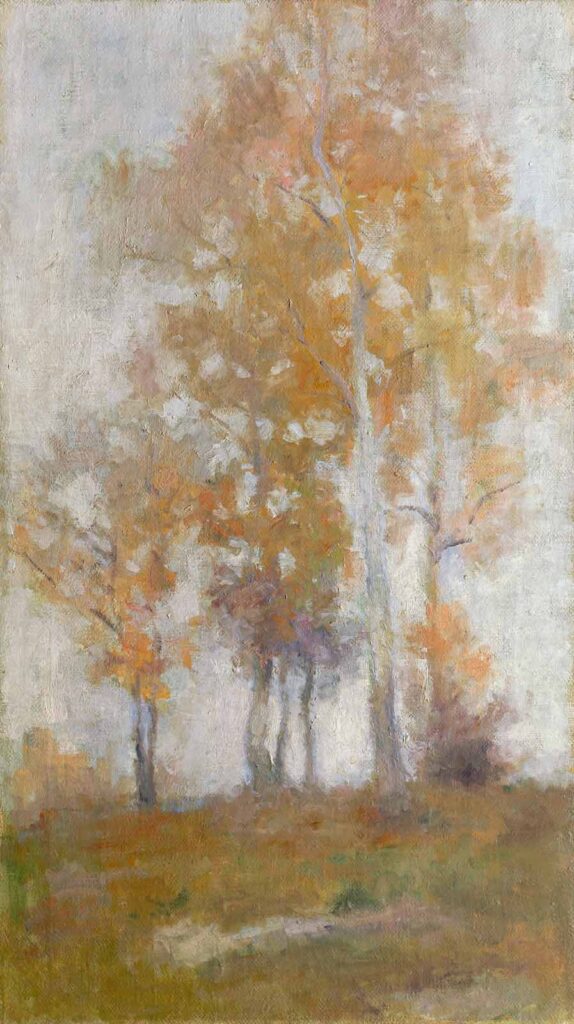
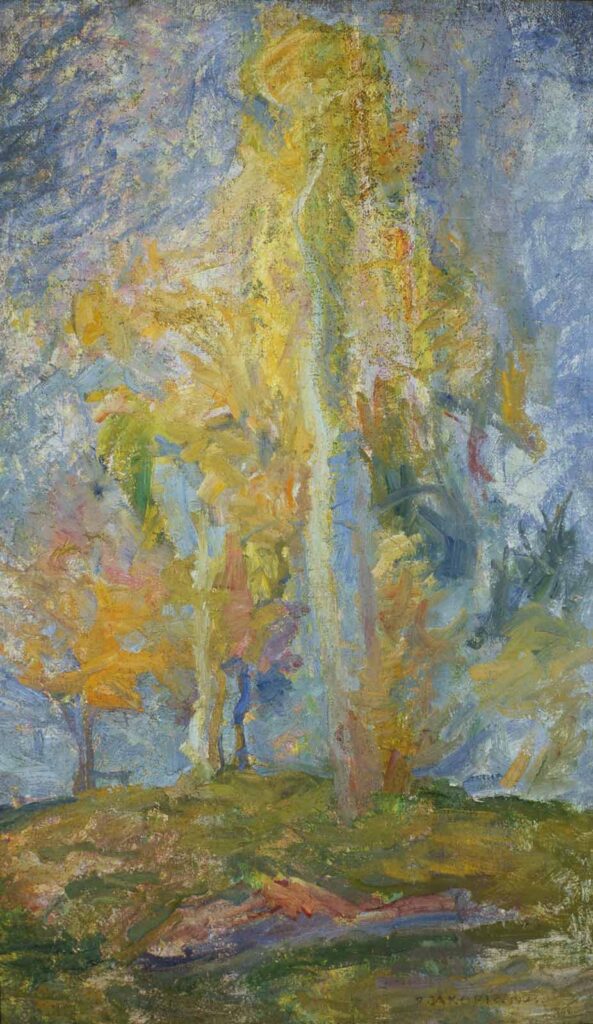
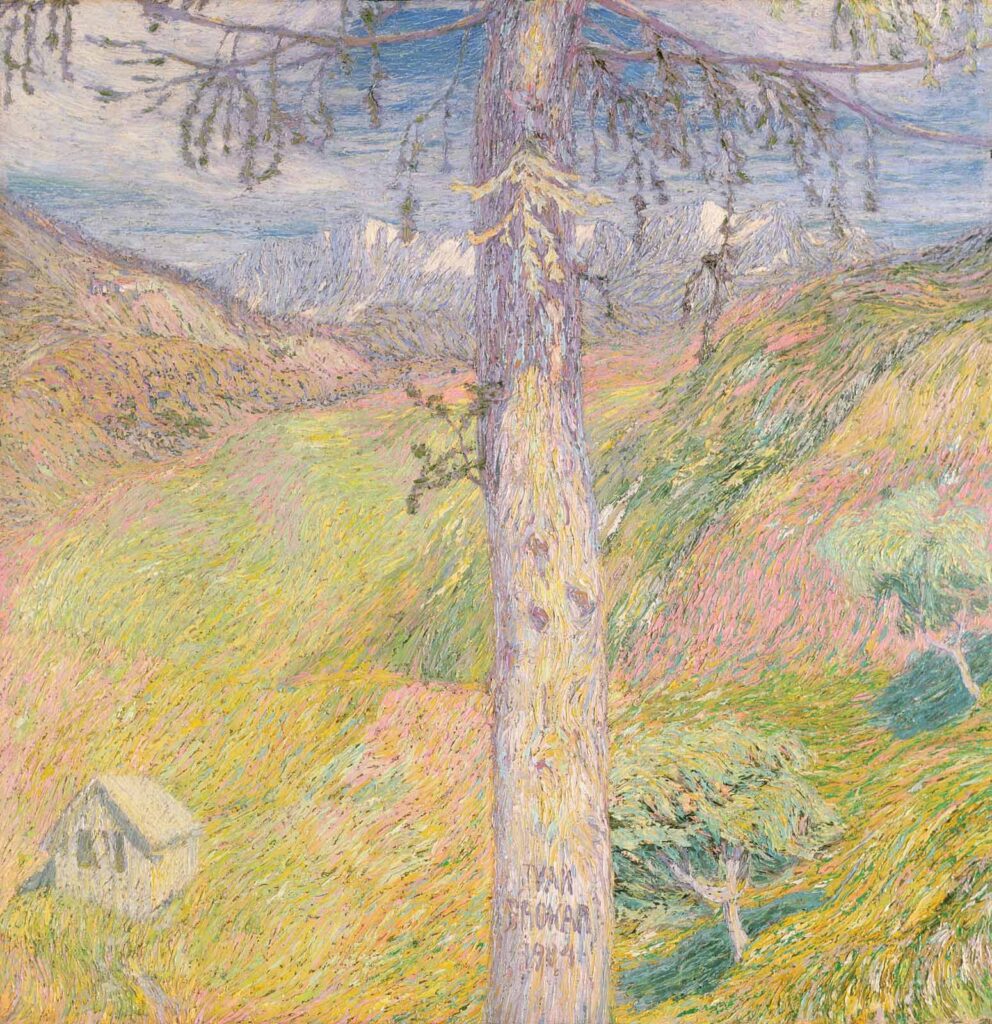
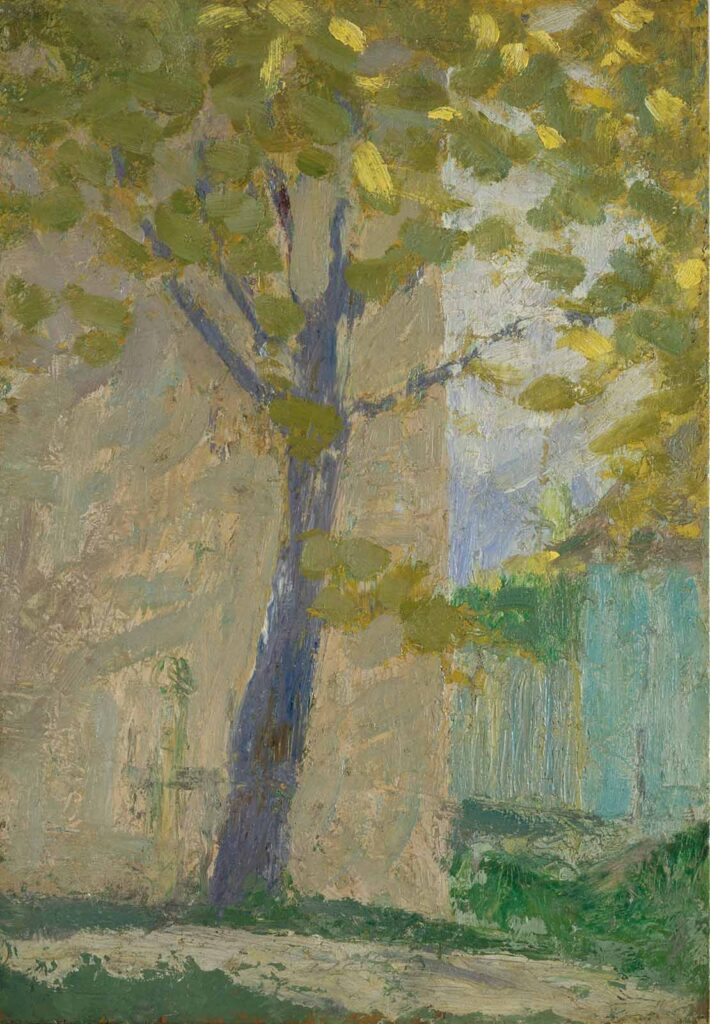
If we return now to the poem by Župančič with which we began, and which was written in this same period, we might claim that the birch has become the paradigmatically lyrical tree in painting. Not only in Slovene painting, but more widely in central and eastern Europe. We find birch trees in works produced by the artists’ colonies of Bavaria, the works of representatives of the Vienna Secession, and the works of Finnish, Russian and other Slavic artists. Yet this is above all a cultural and historical coincidence. The stereotypical image of Jakopič’s birch trees is so firmly rooted in Slovene art that we want to see a birch in every tree that Jakopič painted. The truth is that while Jakopič did devote himself to birches in 1902 in 1903, two decades later he only returned to them rarely, usually to fill explicit commissions. He did, however, paint numerous other trees – pines, hornbeams, poplars – which are identifiable by their manner of growth, regardless of the strength of the colour transposition and the artist’s hand. If we look, for example, at his most chromatically intense Expressionist pines from the mid-1920s, we have to agree that it is impossible to confuse them with any other type of tree. |